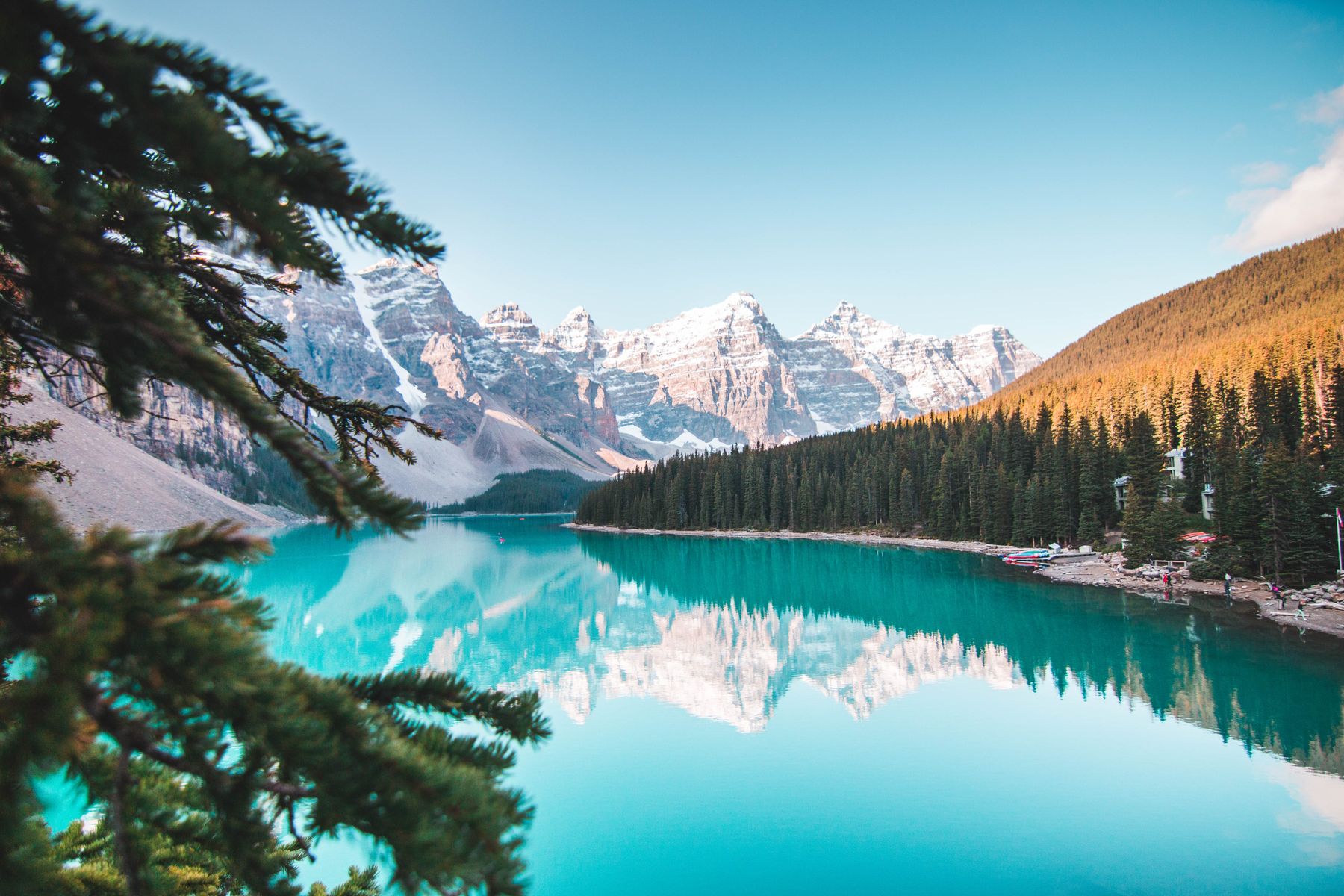
There is science behind the feeling of standing at a mountain lake and suddenly breathing easier. There is also something the science cannot quite reach.
You climb for an hour, maybe two. The trees thin, the air sharpens, and then the trail turns and the lake is just there, holding the mountains upside down in perfect stillness. Something in your chest unclenches. You did not decide to feel calmer. You simply do.
What the mind does with stillness
Researchers call it attention restoration: the way natural scenes give our overworked focus a rest, letting a different, softer kind of attention take over. A mirror-still lake is almost a perfect version of this. There is nothing to solve, nowhere to click, no next thing.
The lake is not empty. It is full of the one thing cities never give you: enough space to hear yourself think.
Cold air helps too, and altitude, and the simple physical honesty of having walked to get there. You earned the view, and earned things settle the mind in a way given ones never do.
Carrying it down
The feeling fades, of course. But it leaves a memory you can return to, a small reset you can summon on a hard afternoon. That is worth an hour of climbing, and then some.
Written by
Elena Marsh
Travel & Culture Editor
Elena writes about slow travel, sense of place, and the small rituals that make a journey stick with you. Formerly of two newsrooms, now happiest with a window seat and a half-finished notebook.

0 Responses